HVAC Priorities for 2026: How London Businesses Can Cut Energy Costs and Stay Compliant
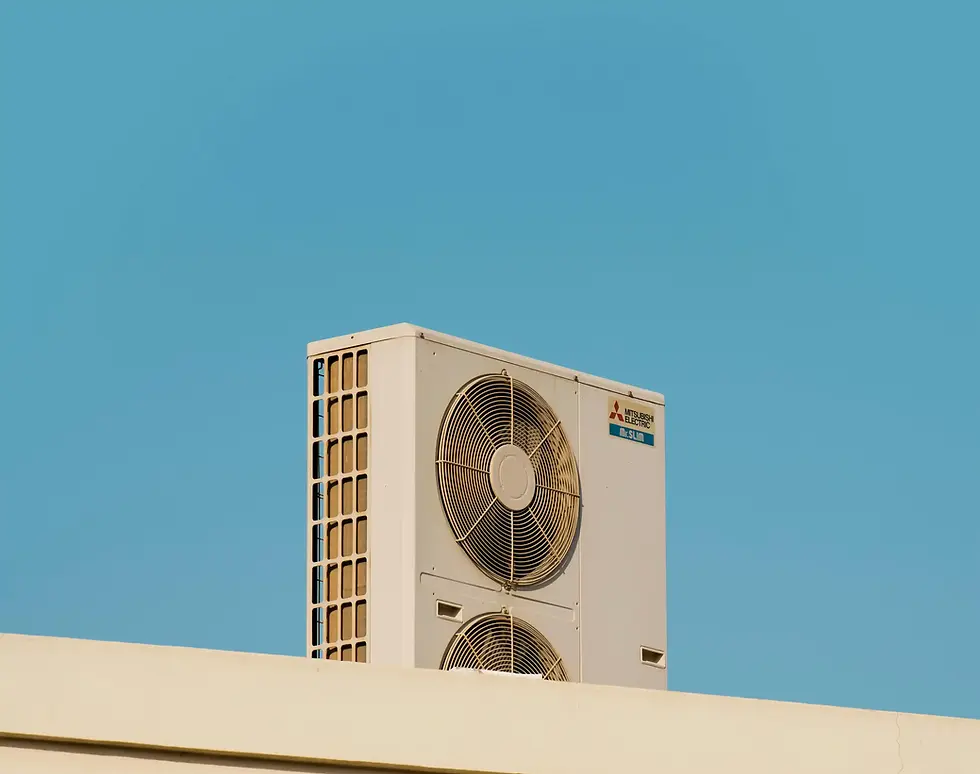
New Year, New HVAC Priorities
Energy prices, comfort expectations and regulations aren’t easing up in 2026—especially for busy London buildings.
Whether you manage a restaurant, office, warehouse or mixed-use site, your HVAC, ventilation and refrigeration systems are probably among your highest operational costs. The good news? With the right strategy, they’re also one of the biggest opportunities for savings.
This guide walks through the key HVAC priorities for 2026 and how RSI Professional can help you reduce costs, improve air quality and stay compliant—all while keeping staff and customers comfortable.
At a Glance: Your Key HVAC Priorities for 2026
1. Make Energy Efficiency Your First Goal
Start with what you already have: optimise controls, fix basic maintenance issues and plan upgrades to inverter or VRF systems. Even small changes to setpoints and scheduling can cut unnecessary runtime and lower bills.
2. Take Indoor Air Quality & Ventilation Seriously
Fresh air isn’t a “nice to have” anymore. Good ventilation helps reduce CO₂ levels, improve comfort and support productivity. Heat recovery (HRV/MVHR) and Demand-Controlled Ventilation (DCV) can improve air quality and save energy.
3. Don’t Forget Refrigeration – Your Hidden Energy Load
In food-led businesses, refrigeration can use as much energy as heating and cooling combined. Simple things like clean coils, good door seals and correct temperatures can significantly reduce energy use and protect stock.
4. Put Compliance & Maintenance on a Proper Schedule
F-Gas, ventilation expectations and food safety all rely on one thing: evidence that systems are maintained. A planned maintenance contract keeps you ahead of issues and makes audits and inspections much easier.
5. Treat Your Building as One System
Heating, cooling, ventilation and refrigeration all interact. Looking at everything together—not as separate bits of kit—helps avoid conflicting settings, wasted energy and comfort issues.
Want the details? Scroll down to explore each priority in more detail and discover how RSI Professional can support your 2026 plan.
1. Make Energy Efficiency Your First HVAC Goal in 2026
Rising energy prices mean every kilowatt counts. Before investing in brand new plant, there are often quick wins hiding in your existing systems.
Optimise Controls & Setpoints
Many buildings still run on “set it and forget it” settings. Small changes can deliver noticeable savings:
Review heating and cooling setpoints by time of day and occupancy.
Avoid unnecessary overcooling or overheating just “to be safe”.
Even a 1–2°C adjustment in setpoints can cut heating and cooling demand without affecting comfort.
Pair this with smarter scheduling and you can reduce runtime hours across the year.
Upgrade to Inverter or VRF Systems
If you’re still running older on/off (fixed-speed) air conditioning, 2026 is a good time to plan an upgrade:
Inverter-driven and VRF systems modulate output based on real demand instead of cycling fully on and off.
In many cases, these systems can reduce HVAC energy use by around 30% compared with traditional constant-speed units.
You also get smoother temperature control and less mechanical stress on compressors and fans.
If you’re planning a refurbishment or replacing ageing units, prioritising inverter or VRF systems is one of the most effective long-term cost-saving moves you can make.
Check the Basics: Filters, Coils & Airflow
You don’t always need a major project to unlock savings:
Dirty coils and clogged filters can increase energy consumption by 10–30%, depending on system size and condition.
Restricted airflow forces fans and compressors to work harder and run longer cycles.
Poorly positioned furniture, stock or grilles can further disrupt air movement.
A regular maintenance visit from RSI Professional can address these low-level issues before they show up as high energy bills or comfort complaints.
2. Put Indoor Air Quality & Ventilation on the Agenda
2026 isn’t just about saving money—it’s also about keeping people healthy and productive.
Focus on Fresh Air & CO₂ Levels
In busy London offices, gyms, restaurants and studios, poor ventilation and high CO₂ levels can lead to:
Fatigue and reduced concentration
More complaints about “stuffy” or “heavy” air
Increased sickness and absenteeism
Research has shown that better ventilation and lower CO₂ can deliver double-digit improvements in cognitive performance in office environments. Fresh air isn’t just about comfort—it directly impacts how well people feel and work.
Balanced, well-designed ventilation ensures a steady supply of fresh air without wasting heat.
Consider Heat Recovery Ventilation (HRV / MVHR)
Heat recovery systems extract stale air while reclaiming much of the heat that would otherwise be lost.
Key benefits:
Reduced heating demand in winter
Improved indoor air quality via continuous fresh, filtered air
More consistent indoor temperatures and less draughtiness
For London businesses worried about both energy and comfort, HRV/MVHR is an increasingly attractive option.
Use Demand-Controlled Ventilation (DCV) Where It Makes Sense
Demand-Controlled Ventilation (DCV) uses occupancy or CO₂ sensors to adjust airflow in real time:
High airflow when rooms are busy
Reduced airflow (and fan energy use) when spaces are lightly occupied or empty
Real-world projects often see ventilation and fan energy savings in the 20–40% range compared with constant-volume systems. DCV is especially effective in meeting rooms, event spaces, gyms and multi-use areas.
3. Don’t Ignore Refrigeration – Your Hidden Energy Load
For many foodservice, hospitality and retail businesses, refrigeration can account for a very large share of total electricity use—often 30–50% or more in food-led operations.
Tackle Common Refrigeration Efficiency Killers
Some of the biggest problems are also the easiest to prevent:
Dirty condenser and evaporator coils are reducing heat transfer
Damaged or worn door seals allowing warm air in
Overloaded cabinets blocking internal airflow
Incorrect thermostat settings are driving unnecessary cooling
Each of these issues can quietly drive up energy use, increase breakdown risk and impact product temperature and food safety.
Regular maintenance and basic housekeeping can improve efficiency by 10–15% and significantly extend equipment lifespan.
Plan for Condition-Based & Seasonal Maintenance
Rather than waiting for failures:
Schedule regular checks for cold rooms, blast chillers, catering fridges, cellar cooling and freezer rooms.
Use quieter trading periods and the winter season to carry out deeper maintenance, defrosting, cleaning and system tuning.
Combine planned maintenance with simple energy checks, such as confirming setpoints, door operation, and defrost cycles.
This approach reduces emergency callouts, protects stock and keeps your refrigeration running as efficiently as possible.
4. Compliance, Records & Planned Maintenance in 2026
Beyond comfort and cost, 2026 will continue to bring pressure on compliance and documentation.
Stay Aligned with UK Regulations
Depending on your systems, you may need to consider:
F-Gas requirements and leak checks for refrigerant-based systems
Ventilation and indoor air quality expectations under UK Building Regulations
Refrigeration and cold storage temperature requirements for food safety
Adequate documentation of maintenance and inspections for insurers, landlords and auditors
Having a clear maintenance regime makes demonstrating compliance far easier than reacting after an issue arises.
Why a Planned Maintenance Contract Helps
A structured maintenance plan across HVAC, ventilation and refrigeration gives you:
Predictable, planned costs instead of frequent emergency callouts
Priority response and reduced downtime when faults do occur
Better system efficiency, longer asset life and fewer surprises
Clean, well-organised records for audits, inspections and regulatory checks
RSI Professional can create a maintenance schedule that brings all your systems under one coordinated plan.
5. How RSI Professional Can Support Your 2026 Plan
Starting the year with a clear HVAC strategy doesn’t have to be complicated. RSI Professional works with businesses across London and the M25 to design, maintain and upgrade systems that are efficient, compliant and reliable.
What We Offer
HVAC & Air Conditioning – Design, installation, servicing and upgrades
Refrigeration & Cold Rooms – From catering fridges to large cold storage, plus 24/7 repairs
Ventilation & Heat Recovery – HRV/MVHR, DCV and balanced systems for better air quality
24/7 Call-Out Across London & Surrounding Areas
Energy & Performance Reviews – Identify quick wins and long-term upgrade opportunities
Whether you’re planning a refurbishment, opening a new site or simply trying to get your running costs under control, we can help you build a realistic, staged plan for 2026.
6. Don’t Forget Your Ventilation in 2026
Cold rooms and AC often get the attention, but your ventilation system is just as important to the overall picture.
If extract fans, ductwork or HRV units are dirty, unbalanced or undersized, you’ll see:
Stale or stuffy rooms
Condensation and potential mould growth
Wasted energy from over-ventilating or losing recovered heat
It makes sense to treat your building as one integrated system, not separate pieces of equipment. Bundling ventilation servicing into your 2026 maintenance plan ensures everything—heating, cooling, fresh air and refrigeration—works together.
Book Your 2026 HVAC Review with RSI Professional
Starting the year with a system check is one of the simplest ways to control costs and avoid unwanted breakdowns.
Ready to review your HVAC, ventilation and refrigeration for 2026?
RSI Professional can carry out a site survey, review your existing equipment and recommend a practical, staged plan that fits your budget and operational needs.
Contact RSI Professional to book your 2026 HVAC review
Explore our services: Air Conditioning · Refrigeration · Ventilation


Comments